
Objectives of Inventory Management System and What it is?
Loading content...
Stay up to Date
Recent Posts






Loading content...
Stay up to Date
Recent Posts
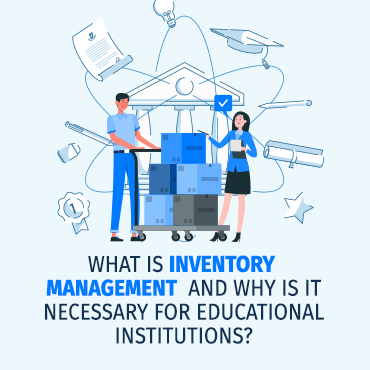
Inventory management is a core part of education, IT infrastructure, and facilities management. In schools, colleges, and universities, it includes all movable assets used by staff and students—such as desks, chairs, blackboards, projectors, books, and library assets.
Without a proper inventory management system, it becomes challenging to monitor usage, control costs, and assess the cost-to-benefit ratio of assets and resources.
What is Inventory Management System?
Objectives of Inventory Management System
Features of an Inventory Management System
Benefits of an Inventory Management System
Using smart inventory management software helps determine whether inventory levels are adequate, in shortage, or in surplus.
Inventory visibility supports better decision-making and resource optimization.
Make sure essential assets such as classroom furniture, lab equipment, computers, and learning devices are always available when required, without disrupting academic activities.
Keep a centralized and up-to-date record of all institutional assets, including their location, condition, and usage status.
Track how assets are used in different departments to make sure they aren't being wasted or unnecessarily purchased.
Minimize losses due to theft, misplacement, or untracked transfers by maintaining proper inventory monitoring and audit trails.
Help institutions manage repair, replacement, and maintenance expenses by monitoring asset life cycles and usage patterns.
Provide accurate inventory data to help people make smart buying decisions and stop them from buying things they don't need or that they already have.
Maintain transparent asset records that support internal audits, compliance requirements, and institutional accountability.
Assist administrators in planning classroom setups, lab expansions, and technology upgrades based on real inventory insights.
Ensure that academic and training activities continue smoothly by having the right assets available at the right time.
Help institutions evaluate the cost-to-benefit ratio of assets and ensure maximum value from every inventory investment.
Using barcodes, QR codes, or RFID tags makes it easy to find and keep track of assets. This cuts down on mistakes made by hand and speeds up audits of stock and inventory.
Lets you see inventory levels, locations, and movement across departments or warehouses in real time. Helps make sure that stock records are always correct.
Makes detailed reports about how assets are used, how well they work, and how inventory levels are changing. These insights help with better planning, audits, and making choices.
Uses past data and usage patterns to figure out what inventory will be needed in the future. Helps keep stocks from running out or getting too full.
Sends automatic alerts when stock is low, an expiration date is coming up, or an asset needs maintenance. Makes sure that action is taken on time without having to check on it all the time.
Protects inventory data through secure access controls, encryption, and regular data backups. Ensures data integrity and business continuity.
Seamlessly integrates with ERP, accounting, procurement, and other institutional systems. Enables smooth data flow and eliminates duplicate data entry.
Supports cloud deployment so that you can access it from anywhere and it can grow as your inventory does. Lessens reliance on infrastructure on-site.
Allows multiple users to update inventory simultaneously with instant data synchronization. Ensures accuracy even during high transaction volumes.
Manages returned items efficiently by verifying condition and updating inventory records. Helps reduce losses and maintain accurate stock counts.
Track all school inventory such as laptops, lab tools, subscriptions, and online access credentials.
Manage the lifecycle of physical and digital assets (e.g., periodic servicing of laptops or auditing of digital libraries).
Provides procurement teams visibility into purchase orders and their statuses. This helps in event planning, budgeting, and avoiding procurement delays.
What is an inventory management system in educational institutions?
An inventory management system helps schools, colleges, and universities track, manage, and optimize physical and digital assets such as furniture, lab equipment, IT devices, and library resources.
Why is inventory management important for schools and colleges?
It ensures asset availability, reduces losses, controls operational costs, and helps institutions make informed procurement and budget decisions.
What types of assets can be managed using an inventory management system?
The system can manage classroom furniture, lab equipment, computers, projectors, books, digital licenses, and other institutional assets used by staff and students.
How does an inventory management system reduce asset loss and misplacement?
By maintaining centralized records, tracking asset movement, and providing audit trails, the system minimizes theft, misplacement, and untracked transfers.
How does inventory visibility improve decision-making?
Real-time inventory visibility helps administrators understand asset usage, identify shortages or surplus, and optimize resource allocation across departments.
Can an inventory management system help reduce operational costs?
Yes. By avoiding duplicate purchases, optimizing storage, and monitoring asset lifecycles, institutions can significantly reduce maintenance and operational expenses.
How much time can schools save using an automated inventory system?
Educational institutions can reduce manual inventory tracking time by 30–50% through automation, real-time updates, and centralized data management.
How does inventory forecasting benefit institutions?
Inventory forecasting can reduce stock shortages and over-purchasing by up to 25–40% by analyzing historical usage and demand patterns.
How many users can update inventory at the same time?
A modern inventory management system supports multiple concurrent users with real-time synchronization, ensuring accurate data even during peak usage.
Can an inventory management system integrate with other campus systems?
Yes. It integrates with ERP, procurement, accounting, and facilities systems to ensure seamless data flow and eliminate duplicate data entry.